Struggling With Stress? These Plant-Based Foods May Support Better Balance
In today’s world, most people experience significant levels of stress. Whether it comes from health concerns, work pressures, financial difficulties, family responsibilities, or ethical worries such as animal welfare, stress has become a constant part of modern life. By 2026, avoiding stress altogether is nearly impossible unless one completely withdraws from society. However, there are ways to manage it effectively. A balanced combination of proper nutrition, physical activity, meditation, and massage can significantly support overall well-being and help restore a sense of optimal health.
Traditional Chinese medicine (TCM) provides clear guidance on foods that may help support emotional balance during stressful periods. According to this system, it is especially important to nourish the liver with appropriate nutrition, as it is believed to become overburdened during times of stress. In addition to its role in detoxification, the liver is also thought to process emotions such as anger and stress.
Within this framework, each organ is associated with specific emotions, and when emotions are not properly processed or released, imbalances are believed to develop. In TCM, unresolved feelings such as anger, frustration, resentment, and chronic stress are associated with liver imbalance. This imbalance may manifest physically in symptoms such as headaches, elevated blood pressure, hair loss, blurred vision, digestive issues, muscle spasms, red or irritated eyes, fatigue, and reduced libido.
While Western nutritional science focuses primarily on nutrients and their physiological functions, Chinese nutritional theory emphasizes the energetic properties of foods. Thousands of years ago, concepts such as protein, iron, or vitamin B12 were unknown, yet Chinese medicine developed a detailed understanding of how different grains, fruits, vegetables, and seeds influence the body’s balance and well-being. Today, combining traditional knowledge with modern nutritional science provides a more comprehensive understanding of how food can support mental and physical health.
10 Foods That May Help Reduce Stress According to Chinese Medicine
Below are ten plant-based foods traditionally associated with liver support and stress reduction.
1. Dark Leafy Greens
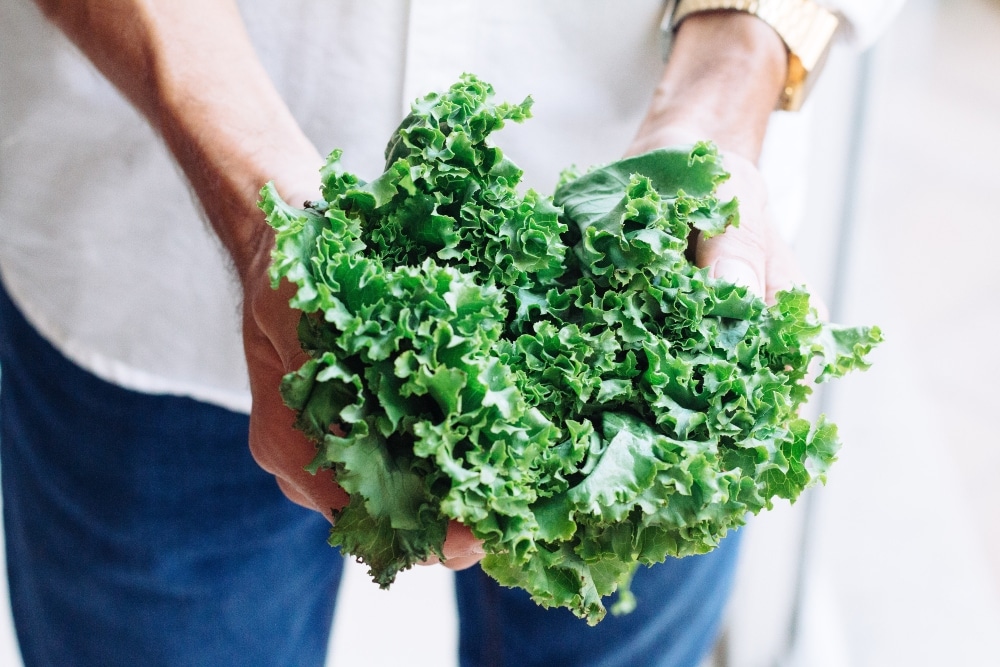
Dark leafy greens are rich in chlorophyll, which is believed to support liver detoxification and promote the production of healthy blood cells. In Chinese medicine, healthy blood is associated with a calm and balanced mind.
Common options include chard, kale, spinach, arugula, and watercress. These can be added to salads, juices, stir-fries, or cooked dishes.
2. Sea Vegetables
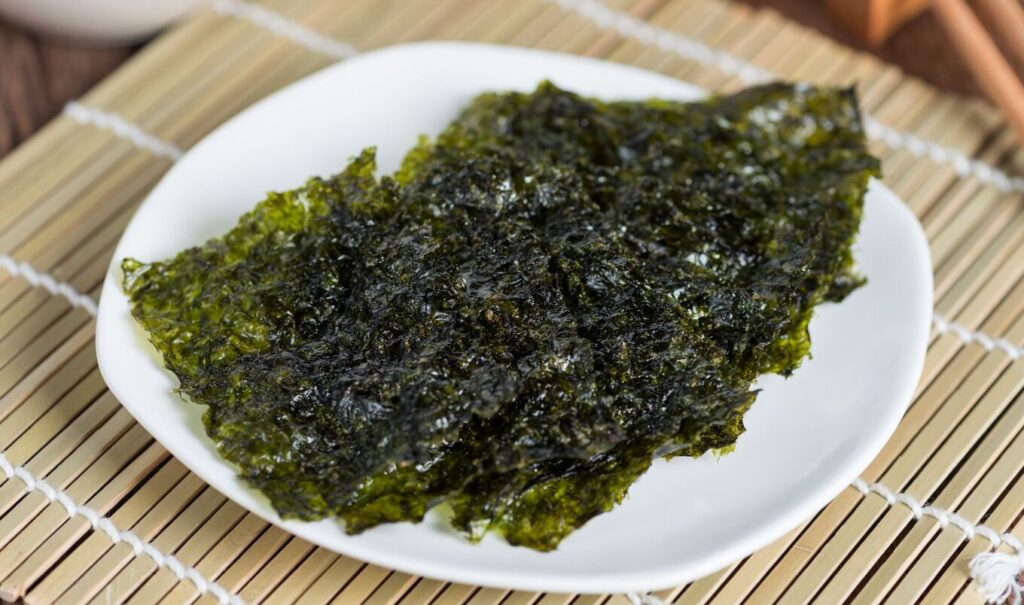
Sea vegetables contain high levels of minerals such as copper, which is traditionally believed to help regulate blood pressure. They also provide vitamin B2, which supports the absorption of other B vitamins that are important for nervous system health and stress regulation.
Examples include nori, kelp, wakame, dulse, and kombu. These can be added to steamed grains, soups, or miso broth.
3. Root Vegetables
Root vegetables are considered in Chinese medicine to nourish yin energy, which is associated with calmness and mental relaxation.
This group includes beets, radishes, sweet potatoes, yams, carrots, potatoes, and parsnips. They can be roasted, steamed, juiced, or prepared in soups such as lentil or vegetable-based broths.
4. Black Beans
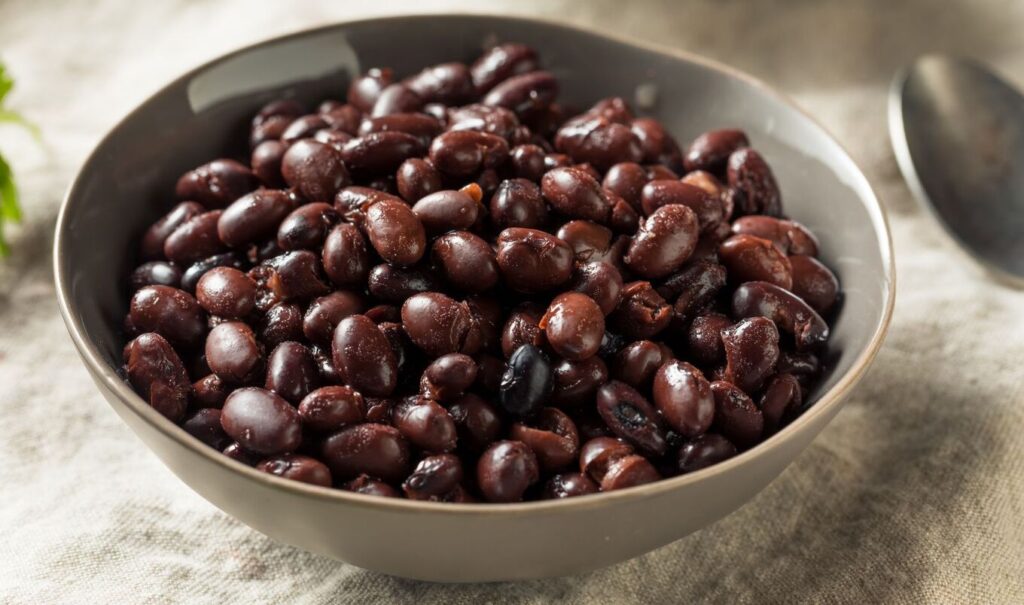
Black beans are a good source of magnesium, a mineral linked to nervous system relaxation and hormonal balance during stress.
They are commonly used in dishes such as chili, soups, or stews and are valued for their comforting and grounding qualities.
5. Black Sesame Seeds
Black sesame seeds are rich in vitamin B1 (thiamine), which supports nervous system function and brain health.
They can be sprinkled over salads, steamed vegetables, or incorporated into various plant-based dishes.
6. Blackberries
Blackberries are high in iron, which supports healthy blood production and overall vitality. In Chinese medicine, strong blood is associated with mental clarity and emotional balance.
They can be eaten fresh, added to smoothies, or mixed into plant-based yogurts.
7. Tofu
Tofu is traditionally considered beneficial for liver support. Soybeans contain compounds that may help regulate blood pressure and are a source of tryptophan, an amino acid associated with relaxation and sleep support.
Tofu can be added to curries, stir-fries, or served with grains such as quinoa.
8. Parsley
Parsley contains a high amount of chlorophyll, which is believed to support liver function and detoxification processes.
Rather than being used only as a garnish, parsley can be incorporated generously into salads, juices, or dishes such as tabbouleh.
9. Mung Beans
Mung beans contain plant compounds such as isoflavones, which are thought to help regulate hormonal balance.
They can be prepared in simple stews or curries with ingredients such as garlic, tomatoes, spices, and vegetable broth, and are often simmered to create nourishing meals.
10. Raw Apple Cider Vinegar
Raw apple cider vinegar is widely used in traditional health practices and is believed to support digestion and help regulate blood pressure.
It can be used in salad dressings or diluted in water as a morning tonic.
Additional Lifestyle Recommendations

In addition to incorporating these foods into your diet, it is also beneficial to maintain regular physical activity, reduce intake of refined sugar and caffeine, stay well hydrated, and simplify daily routines whenever possible.
By combining mindful eating with healthy lifestyle habits, it is possible to support both physical and emotional well-being, helping the body better manage the effects of stress.