

Plant-based milk—more accurately referred to as plant-based drinks or plant beverages—is widely consumed today. This includes vegetarians, vegans, people with lactose intolerance, individuals allergic to milk proteins, as well as those seeking to reduce their environmental impact.
Plant-based beverages are typically made from cereals (such as rice or oats), legumes (such as soy), or oilseeds (such as almonds). The market now offers a wide variety of options, including hemp milk and quinoa milk.
Depending on the formulation, additional ingredients may be included, such as sunflower oil, sweeteners, or added calcium. These beverages can also be prepared at home.
Below are four common plant-based milks, their production methods, and their nutritional characteristics. Afterward, you will find guidance on how to choose the most suitable option for your needs.
Precaution: According to ANSES, plant-based beverages are not suitable for infants under one year of age, as they do not provide the same nutritional profile as animal milk. To avoid confusion, European regulations also restrict the use of the term “milk” for most plant-based drinks, except for almond and coconut-based products.
Soy Milk

Production: Soy milk is one of the most widely known plant-based beverages. It is produced by soaking soybeans, removing their outer skins, grinding them, adding water, cooking the mixture, and finally filtering it to obtain a smooth liquid.
Nutritional profile: Soy milk contains a protein level comparable to cow’s milk and provides all essential amino acids, making it a complete plant protein source. It generally contains less fat than dairy milk. However, there are certain considerations regarding its consumption (see below).
Culinary uses: Soy milk has a slightly nutty and mildly bitter taste. It froths well and can be used for café lattes, pancakes, waffles, custards, and desserts. It also works well in savory dishes such as vegetable gratins or creamy soups like asparagus soup.
Almond Milk
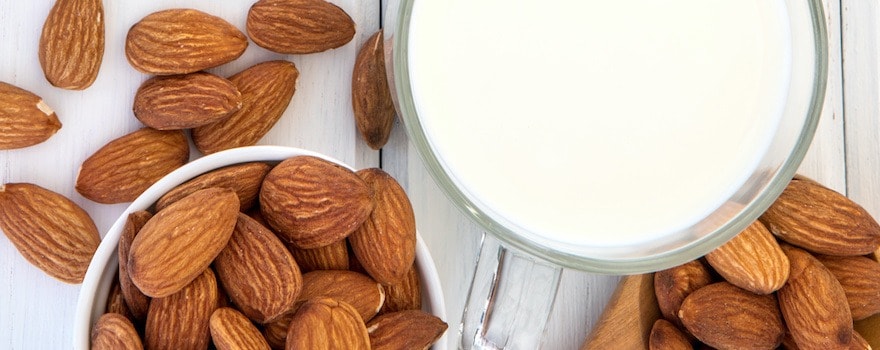
Production: Almond milk is made by soaking almonds in water to soften them, blending them with fresh water, and then straining the mixture. Commercial versions are often fortified with calcium and may contain added sugars or other additives.
Nutritional profile: Unsweetened almond milk is low in calories and carbohydrates and has a low glycemic index. It is a source of vitamin E, an antioxidant that helps protect cells from oxidative stress, and also provides magnesium.
Culinary uses: Almond milk has a mild, slightly sweet flavor. It is commonly used in desserts such as fruit clafoutis (with cherries or apricots), hot drinks like cappuccinos or hot chocolate, as well as in creamy soups or sauces served with fish alternatives.
Rice Milk

Production: Rice milk is made from ground rice grains, which are mixed with water, heated, and then filtered. In Japan, a fermented version of rice drink known as amazake also exists.
Nutritional profile: Rice milk is low in fat and easy to digest, making it suitable for sensitive digestive systems. However, it is relatively high in carbohydrates and has a high glycemic index. It also contains limited amounts of protein.
Culinary uses: Rice milk has a neutral taste. It is commonly used in rice puddings, cakes such as madeleines, and other baked goods. It can also be used in savory sauces flavored with herbs or spices, or in vegetable-based dishes.
Oat Milk

Production: Oat milk is produced from oats, one of the earliest cultivated grains. The oats are soaked in water, blended, and then filtered to produce a smooth liquid.
Nutritional profile: Oat milk has a caloric value similar to cow’s milk. It contains soluble fibers, particularly beta-glucans, which are known to support cardiovascular health by helping reduce LDL cholesterol. These fibers also promote satiety.
Culinary uses: Oat milk has a naturally mild and slightly sweet flavor. It is widely used in porridges, pancakes, and baking, but also performs well in savory dishes such as sauces, vegetable purées, and soups like pumpkin soup.
How to Choose Your Plant-Based Milk
Several factors should be considered when selecting a plant-based beverage.
From a nutritional perspective, certain populations should be cautious:
- Rice milk has a high glycemic index and may not be suitable for people with diabetes or those monitoring blood sugar levels.
- Soy milk contains isoflavones and may be discouraged for individuals with a personal or family history of hormone-sensitive cancers.
Taste is another important factor. Soy and oat milks generally have stronger flavors, while almond and rice milks are lighter and more neutral.
Culinary use should also guide your choice. For example, almond milk pairs particularly well with fruit-based desserts such as cherries or apricots.
It is also important to examine product labels carefully. Some plant-based drinks are fortified with calcium (sometimes derived from algae) or vitamins, which can improve nutritional value. Others may contain added sugars, stabilizers, or long lists of additives.
For greater control over ingredients, homemade plant-based milks can be a good alternative.
Summary
| Plant-based milk | Nutritional profile | Limitations | Taste / uses |
|---|---|---|---|
| Soy milk | Complete plant proteins, relatively low in fat | Not recommended for certain hormone-sensitive conditions | Slightly nutty, used in lattes, baking, soups, savory dishes |
| Almond milk | Vitamin E, magnesium, low glycemic index | Not suitable for nut allergies; low in protein | Mild, sweet; used in desserts, drinks, sauces |
| Rice milk | Easy to digest, low fat | High glycemic index, low protein | Neutral taste; used in desserts and baked goods |
| Oat milk | Fiber (beta-glucans), supports satiety | Not suitable for gluten intolerance if contaminated | Mildly sweet; used in baking, porridge, soups |
Plant-based milk consumption is rapidly increasing worldwide. Today, approximately one in four people in France consumes plant-based beverages such as soy, almond, rice, oat, or hazelnut drinks. Supermarkets that previously offered around ten varieties now often stock more than sixty different options.