Another Great Reason to Eat More Vegetables
Key Takeaways
- Visceral fat is a type of deep abdominal fat that can increase the risk of numerous chronic health conditions.
- Nutrition experts suggest that certain vegetables may be particularly beneficial for reducing visceral fat.
- Among the most recommended are spinach, cauliflower, Brussels sprouts, artichokes, and red cabbage.
Visceral fat is stored deep inside the abdominal cavity, surrounding vital organs such as the liver, pancreas, and intestines. Unlike subcutaneous fat, which lies directly beneath the skin and is visible from the outside, visceral fat remains hidden. However, despite being out of sight, it can have serious consequences for health.
This type of fat is metabolically active, meaning it releases inflammatory compounds into the bloodstream that can negatively affect the entire body. Elevated levels of visceral fat have been associated with a greater risk of developing chronic diseases, including cardiovascular disease, type 2 diabetes, and certain forms of cancer.
Fortunately, there are several effective ways to reduce visceral fat, and dietary choices play an important role. According to Erin Jowett, M.S., RD, LDN, the right vegetables do far more than simply add volume to a meal. They can support hormonal balance, promote liver detoxification processes, improve gut health, and reduce inflammatory activity throughout the body. Strategic vegetable consumption is often one of the most overlooked approaches for improving metabolic health and reducing excess abdominal fat.
Although all vegetables offer nutritional benefits, dietitians highlight five specific vegetables that may be especially effective in supporting visceral fat reduction.
1. Spinach
Spinach contains significant amounts of lutein, zeaxanthin, and beta-carotene, all of which belong to a group of plant compounds known as carotenoids.
According to Allison Knott, M.S., RDN, carotenoids are powerful antioxidant compounds found in red, orange, yellow, and certain green vegetables. These compounds help combat inflammation and may contribute to preventing excessive fat accumulation within the body.
Research has indicated that higher concentrations of carotenoids in the bloodstream are associated with lower levels of visceral fat. Because spinach is rich in these beneficial compounds, it may play an important role in reducing abdominal fat deposits.
In addition to its antioxidant content, spinach is naturally low in calories and provides dietary fiber, which helps increase satiety and may reduce the likelihood of overeating between meals.
2. Cauliflower
Cauliflower belongs to the cruciferous vegetable family and contains natural compounds called glucosinolates, according to Jowett.
When cauliflower is chewed and digested, glucosinolates are converted into biologically active compounds known as sulforaphane. This transformation is beneficial because sulforaphane has been linked to reduced inflammation and improved insulin sensitivity—both important factors in managing and preventing visceral fat accumulation.
For those who are not fond of cauliflower, broccoli offers many of the same advantages. According to Sheri Gaw, RDN, CDCES, broccoli is low in calories while providing fiber and antioxidants that help regulate appetite and reduce inflammation.
Broccoli also contributes to feelings of fullness, making it easier to maintain a healthy calorie intake and support long-term weight management.
3. Brussels Sprouts
Brussels sprouts are another member of the cruciferous vegetable family and provide a powerful combination of sulforaphane and carotenoids.
This dual-action nutritional profile may help combat visceral fat while simultaneously reducing inflammation throughout the body. Sulforaphane found in Brussels sprouts may also help lower the risk of chronic diseases commonly associated with excess abdominal fat, including cancer, diabetes, and heart disease.
Beyond their antioxidant and anti-inflammatory properties, Brussels sprouts are an excellent source of dietary fiber. A single cup provides approximately three grams of fiber while containing fewer than forty calories, making them a highly nutrient-dense addition to a healthy diet.
4. Artichokes
Artichokes rank among the vegetables with the highest fiber content, making them particularly valuable for weight management.
According to Melissa Mitri, M.S., RD, the fiber found in artichokes promotes feelings of fullness and can help reduce overall calorie consumption. Their fiber content also supports the growth of beneficial gut bacteria, which play an important role in metabolism, weight regulation, and the reduction of visceral fat.
One medium-sized artichoke contains approximately seven grams of fiber while providing only around sixty-five calories, making it an exceptionally filling and nutritious food choice.
5. Red Cabbage
Red cabbage, with its distinctive purple-red color, contains powerful antioxidant compounds known as anthocyanins.
According to Jowett, anthocyanins may support fat metabolism and assist the body in reducing excess fat stores. Some studies suggest that these compounds may specifically help target visceral fat.
Although researchers are still investigating the exact mechanisms involved, one theory is that anthocyanins promote beneficial changes in the gut microbiome, encouraging bacterial populations that support more efficient fat metabolism.
Fans of kimchi may be pleased to learn that this traditional fermented food, commonly made from napa cabbage, may also contribute to reducing visceral fat.
According to Jessie Gutsue, M.A., RDN, IFNCP, kimchi contains naturally occurring probiotic bacteria, particularly strains of Lactobacillus, which have been associated with lower levels of visceral adiposity.
Whether purchased from a store or prepared at home, kimchi can be a flavorful way to support both digestive and metabolic health.
Additional Strategies for Reducing Visceral Fat
Although increasing vegetable consumption is an excellent step, several other lifestyle habits can also help reduce visceral fat.
Eat More Fruit
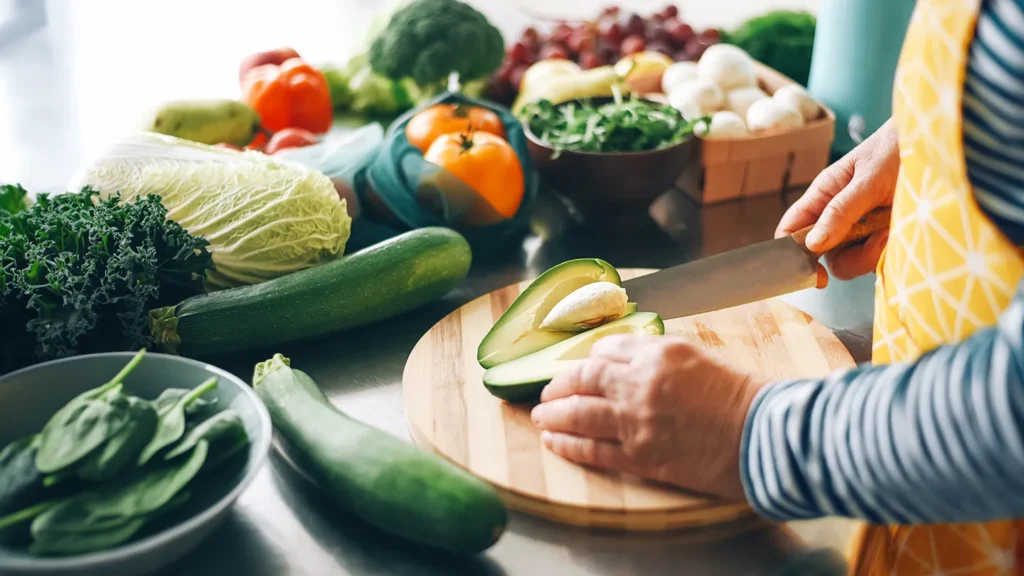
According to Mitri, recent research indicates that adults who consume larger amounts of fruits and vegetables tend to have lower levels of visceral fat.
The high fiber and water content found in produce adds volume to meals and promotes fullness, making it easier to reduce overall calorie intake while supporting healthy fat loss.
A simple strategy is to include at least one serving of fruits or vegetables with every meal and snack throughout the day.
Incorporate HIIT Workouts
All forms of physical activity offer health benefits, but high-intensity interval training (HIIT) may be particularly effective for reducing visceral fat.
HIIT involves alternating short periods of intense exercise with brief recovery intervals. According to Mitri, multiple studies have demonstrated that HIIT can be more effective than resistance training alone when it comes to decreasing visceral fat stores.
Adding a few HIIT sessions to a weekly exercise routine may provide significant metabolic benefits.
Manage Stress Effectively
Chronic stress can lead to elevated levels of cortisol, often referred to as the body’s primary stress hormone.
Persistently high cortisol levels have been associated with increased storage of visceral fat. Mitri notes that even a few minutes each day dedicated to stress-reducing activities such as meditation, mindfulness practices, or deep-breathing exercises can help lower cortisol levels and reduce the body’s stress response.
Prioritize Quality Sleep
Insufficient sleep has been linked to higher levels of visceral fat.
According to Mitri, inadequate sleep may influence appetite regulation and alter hormones involved in hunger and metabolism. She recommends aiming for seven to eight hours of quality sleep each night whenever possible.
Establishing healthy bedtime habits—such as limiting screen exposure in the evening, maintaining a consistent sleep schedule, reading, meditating, or taking a relaxing bath—can make achieving adequate sleep easier.
Limit Alcohol Consumption
Alcohol provides a substantial number of calories and often contains added sugars. However, Mitri notes that its effects on visceral fat go beyond calorie content alone.
Alcohol can impair judgment and lower inhibitions, often leading to food choices that do not align with long-term health goals. Over time, excessive alcohol consumption may contribute to weight gain and increased visceral fat accumulation.

Expert Perspective
Vegetables can be considered one of the most effective dietary tools for combating visceral fat. Rich in fiber, antioxidants, and plant-based bioactive compounds, they help promote satiety, support a healthy and diverse gut microbiome, and reduce inflammation throughout the body.
While all vegetables contribute to overall health and healthy weight maintenance, dietitians particularly recommend spinach, cauliflower, Brussels sprouts, artichokes, and red cabbage for their potential role in reducing visceral fat.
For even greater benefits, combine a vegetable-rich diet with regular physical activity, stress management practices, adequate sleep, and mindful alcohol consumption. Together, these habits can support long-term metabolic health and help reduce harmful abdominal fat.